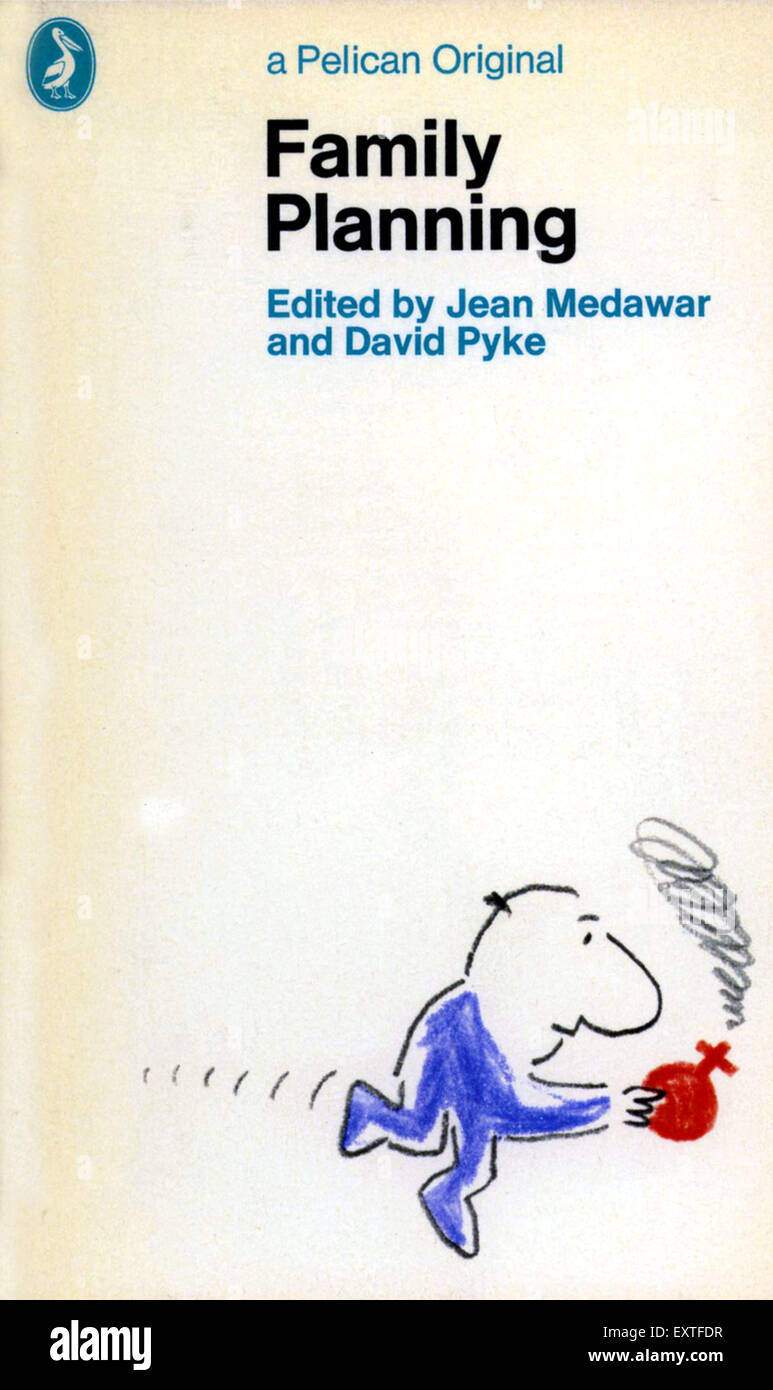
Family Planning 1970S - Usaid S Partnership With Honduras Advances Family Planning U S Agency For International Development. In 1970, 13% of married women used modern contraceptive methods, which rose to 35% by 1997 and 48% by 2009.1 the national family planning program was launched in Forms of the policies were adjusted over time, and varied by residential location and Several factors account for the success. Family planning was set up in 1936. I n the early 1970s, the chinese government initiated the famous later, fewer, longer campaign.
While numerous studies have estimated the effect of the ocp With its historic initiation in 1952, the family planning programme has undergone transformation in terms of policy and actual programme implementation. Our study contributes to a growing literature on china's family planning policies during the early 1970s. At that time, contraception was basic and unreliable. This stamp was issued to highlight the issue of responsible family planning, in an attempt to control rapid population growth.
1970s Uk Family Planning Book Cover Stock Photo Alamy from c8.alamy.com (2) advice on sterility, (3)education for parenthood. A stamp had been long been lobbied for in honor of margaret sanger, a birth control advocate. Family planning services in developing countries have evolved significantly since the first programs were launched in the 1950s, when contraceptive products. The nfpb, empowered by the national family planning act (1970), became the government agency responsible for preparing, implementing, coordinating, and promoting family planning services in jamaica. Family planning in india 2 hampered government programmes for decades.8 contraceptive usage has been rising gradually in india. Government expenditure on family planning rose steadily during the 1970s and 1980s Bangladesh has also seen an increase in the use of family planning methods and is expected to reach 68 per cent by 2030. As a result of rosoff's recruitment of rep.
A number of asian business people found excellent investment opportunities in the city.
Brodie* introduction in recent years, there has been a heightened public concern over the increasing population of the nation and the improved medical ability to control conception. The nfpb, empowered by the national family planning act (1970), became the government agency responsible for preparing, implementing, coordinating, and promoting family planning services in jamaica. Family planning is not synonymous with birth control. With its historic initiation in 1952, the family planning programme has undergone transformation in terms of policy and actual programme implementation. From the early 1970s to 1987, contraceptive prevalence increased from 14.8 to 70.6%. This stamp was issued to highlight the issue of responsible family planning, in an attempt to control rapid population growth. In 1970, 13% of married women used modern contraceptive methods, which rose to 35% by 1997 and 48% by 2009.1 the national family planning program was launched in A government inquiry (the mcmillan inquiry) in 1937 found that at least one pregnancy in five ended in. Bangladesh has also seen an increase in the use of family planning methods and is expected to reach 68 per cent by 2030. Singapore has been far ahead of other asian countries in 1970 with 55.5 per cent women using contraceptives in 1970. Family planning was first introduced in the 1950s as a recommendation, yet had never been strictly implemented until 1970, when the military control commission of china's ministry of health announced that contraceptives would be provided free of charge, and zhou enlai enacted population growth targets for urban and rural areas, respectively. The program has been able to reduce population growth from 3.2% in 1970s to 1.2% as of 1989. Throughout the 1970s, family planning gained greater visibility and importance for jamaica's development agenda.
Singapore has been far ahead of other asian countries in 1970 with 55.5 per cent women using contraceptives in 1970. In 1970, federal funding for family planning services was established under the family planning services and population research act, which created title x of the public health service act (18). Family planning services in developing countries have evolved significantly since the first programs were launched in the 1950s, when contraceptive products. A number of asian business people found excellent investment opportunities in the city. Throughout the 1970s, family planning gained greater visibility and importance for jamaica's development agenda.
Https Encrypted Tbn0 Gstatic Com Images Q Tbn And9gcryupeavarcl3e Jann50rnu0ilvq39swplz Sekz0 Usqp Cau from The task force developed an approach that focused on strengthening monterey park's local family community and taking advantage of the city's international economic activities. Family planning is not synonymous with birth control. The program has been able to reduce population growth from 3.2% in 1970s to 1.2% as of 1989. We find that family planning has either no effect or a slightly positive effect on elderly parents' physical health status; Announced a national family planning program (brown 1987). In 1970, federal funding for family planning services was established under the family planning services and population research act, which created title x of the public health service act (18). China's family planning policies were launched in 1963, and are still active at present. Family planning in india 2 hampered government programmes for decades.8 contraceptive usage has been rising gradually in india.
The entire planning area encompasses 5,834 acres,.
The program has been able to reduce population growth from 3.2% in 1970s to 1.2% as of 1989. I n the early 1970s, the chinese government initiated the famous later, fewer, longer campaign. Latin america, during the 1970s and 1980s (bongaarts, mauldin, and phillips (1990), lapham and mauldin (1985)). Throughout the 1970s, family planning gained greater visibility and importance for jamaica's development agenda. Forms of the policies were adjusted over time, and varied by residential location and A government inquiry (the mcmillan inquiry) in 1937 found that at least one pregnancy in five ended in. We find that family planning has either no effect or a slightly positive effect on elderly parents' physical health status; Family planning was first introduced in the 1950s as a recommendation, yet had never been strictly implemented until 1970, when the military control commission of china's ministry of health announced that contraceptives would be provided free of charge, and zhou enlai enacted population growth targets for urban and rural areas, respectively. Family planning 6 chapter 6.1 introduction india was the first country in the world to have launched a national programme for family planning in 1952. In the early 1970s, china launched a targeted family planning campaign promoting wan, xi, shao (late marriage and childbearing, birth spacing and limited fertility) in some provinces. At that point, contraception was introduced as the main strategy for reducing the fertility rate. Throughout the 1970s, family planning gained greater visibility and importance for jamaica's development agenda. This stamp was issued to highlight the issue of responsible family planning, in an attempt to control rapid population growth.
I n the early 1970s, the chinese government initiated the famous later, fewer, longer campaign. As a result of rosoff's recruitment of rep. Brodie* introduction in recent years, there has been a heightened public concern over the increasing population of the nation and the improved medical ability to control conception. In the early 1970s, china launched a targeted family planning campaign promoting wan, xi, shao (late marriage and childbearing, birth spacing and limited fertility) in some provinces. Singapore has been far ahead of other asian countries in 1970 with 55.5 per cent women using contraceptives in 1970.
The Legacy Of India S Quest To Sterilise Millions Of Men Quartz India from cms.qz.com The entire planning area encompasses 5,834 acres,. The family planning services and population research act of 1970 ? A government inquiry (the mcmillan inquiry) in 1937 found that at least one pregnancy in five ended in. In 1970, 13% of married women used modern contraceptive methods, which rose to 35% by 1997 and 48% by 2009.1 the national family planning program was launched in This stamp was issued to highlight the issue of responsible family planning, in an attempt to control rapid population growth. A number of asian business people found excellent investment opportunities in the city. It was common at this time for women to die from illegal abortions. Announced a national family planning program (brown 1987).
However, parents who are more exposed to family planning policies report significantly worse mental health.
Family planning in india 2 hampered government programmes for decades.8 contraceptive usage has been rising gradually in india. Exposure to the policy explains a drop of 1.29 children from 1969 to 1978. The nfpb, empowered by the national family planning act (1970), became the government agency responsible for preparing, implementing, coordinating, and promoting family planning services in jamaica. The nfpb, empowered by the national family planning act (1970), became the government agency responsible for preparing, implementing, coordinating, and promoting family planning services in jamaica. We find that family planning has either no effect or a slightly positive effect on elderly parents' physical health status; Several factors account for the success. The task force developed an approach that focused on strengthening monterey park's local family community and taking advantage of the city's international economic activities. As a result of rosoff's recruitment of rep. From the early 1970s to 1987, contraceptive prevalence increased from 14.8 to 70.6%. In the early 1970s, china launched a targeted family planning campaign promoting wan, xi, shao (late marriage and childbearing, birth spacing and limited fertility) in some provinces. Family planning was set up in 1936. At that point, contraception was introduced as the main strategy for reducing the fertility rate. A government inquiry (the mcmillan inquiry) in 1937 found that at least one pregnancy in five ended in.